Faith amidst the Dust: Hope and Resilience in Dadaab Refugee Camps
In the remote expanse of northern Kenya lies Dadaab, a vast settlement that for decades has been home to thousands fleeing conflict, drought, and despair. Beneath its searing heat and endless plains, humanity perseveres — clinging not to comfort or certainty, but to faith.
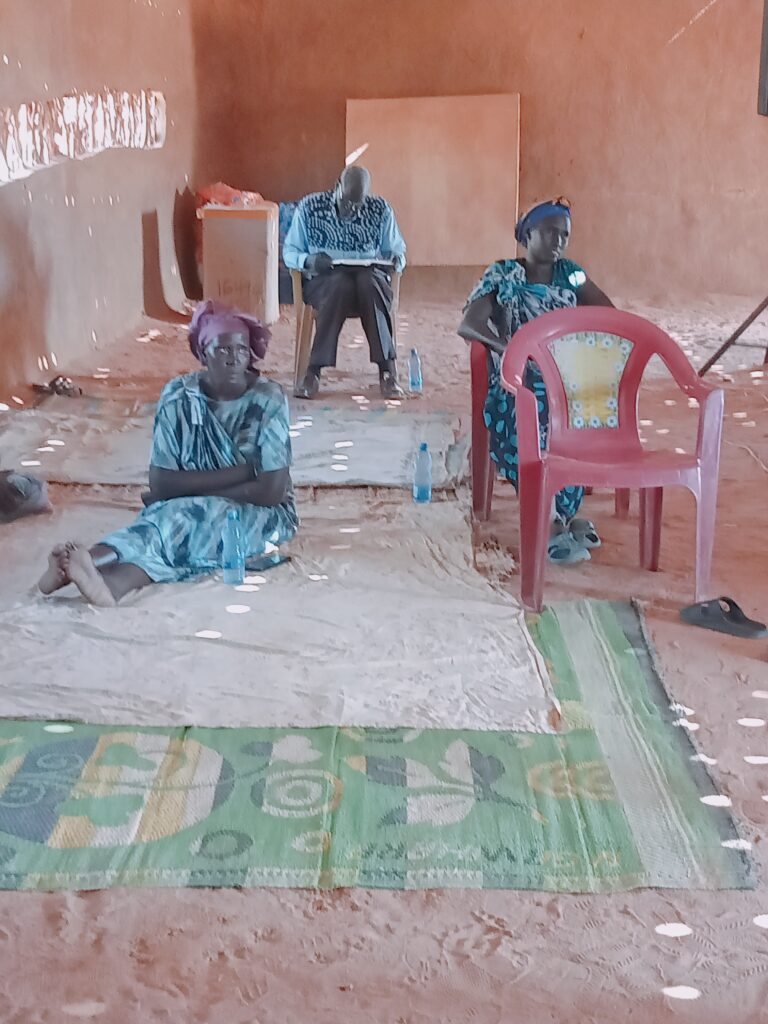
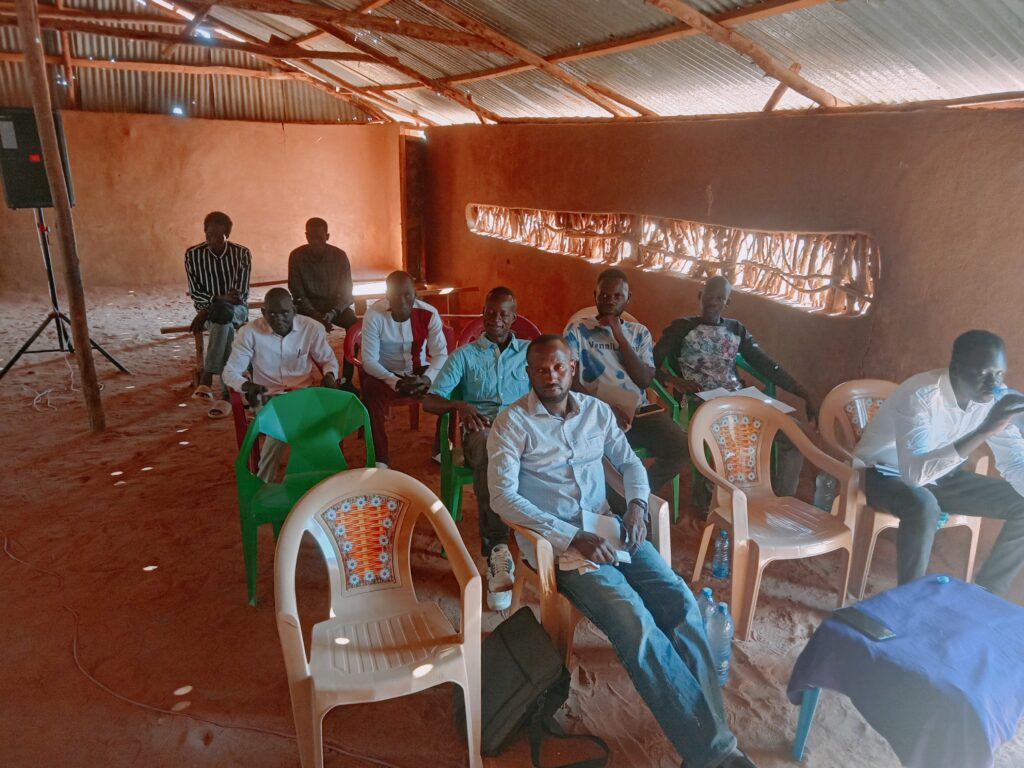
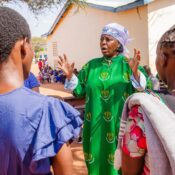
Amid the mud walls and tin roofs, small congregations gather each week to pray. Some meet in simple open spaces with no chairs, no instruments, and no shelter — yet their voices rise to heaven. Their worship is not silenced by hunger or hardship; it is fueled by them.
When Aid Fades, Faith Holds
The situation in Dadaab has become dire. Recent cuts in humanitarian aid have left many families without food. Mothers — most of whom are widowed or single, as very few men remain — now watch their children waste away from hunger and disease.
There are no functioning schools, no safe spaces for children to learn or play. The emptiness of classrooms mirrors the emptiness of pots in many homes. In some heartbreaking cases, despair has driven mothers to attempt suicide, unable to bear the cries of their hungry children.
Yet even in this suffering, the church stands as a beacon of hope. Pastors, evangelists, and volunteers continue to visit homes, pray with families, and remind them that God has not forgotten them. They serve not with abundance, but with faith — and that faith keeps communities alive.
The Church — A Refuge within a Refuge
In these camps, the local church has become more than a place of worship; it is a sanctuary of courage and belonging. Every prayer gathering becomes a moment of healing, every sermon a declaration that light still exists.
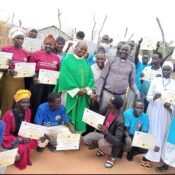
Over 2,000 believers gather across the camps — not for what they can receive, but for the hope they can hold onto. In a place where humanitarian aid is fading, the Gospel remains alive, sustaining the hearts of those who have nothing left but faith.
A Cry for Empowerment and Dignity
The refugees of Dadaab are not asking for pity. They are asking for partnership. They long for:
Training to strengthen their leadership and serve their communities with purpose;
Opportunities for literacy and vocational skills to rebuild dignity and independence;
Access to small business start-ups to break the chains of dependency;
Safe spaces for interfaith dialogue that foster peace and understanding.
These are not just needs — they are hopes whispered through tears and prayers.
A Call from the Diocese
The Anglican Diocese of Garissa, which geographically covers this region, is deeply moved by the resilience and faith of the Dadaab community. The Diocese is committed to walking alongside them, offering spiritual and practical support wherever possible.
But the need is overwhelming. The Diocese therefore appeals to like-minded Christians, churches, and organizations to join hands in this mission — to stand with these mothers, children, and faith leaders who refuse to give up.
Together, we can bring food where there is hunger, education where there is none, and hope where despair threatens to take root.
Faith That Refuses to Die
Hope still lives in Dadaab. It lives in the whispered prayers of mothers, in the songs sung under mabati roofs, and in the quiet determination of those who believe that God’s mercy is greater than their suffering.
Theirs is a faith that refuses to die — a faith that calls us to see, to feel, and to act.
“For I was hungry and you gave me something to eat, I was thirsty and you gave me something to drink, I was a stranger and you invited me in.” — Matthew 25:35
We are counting on you. Stand with us to touch these lives