An Interview with Rev. Rose Sunguti
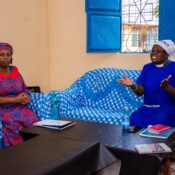
FW: Tell us about yourself and the role you play in the Diocese?
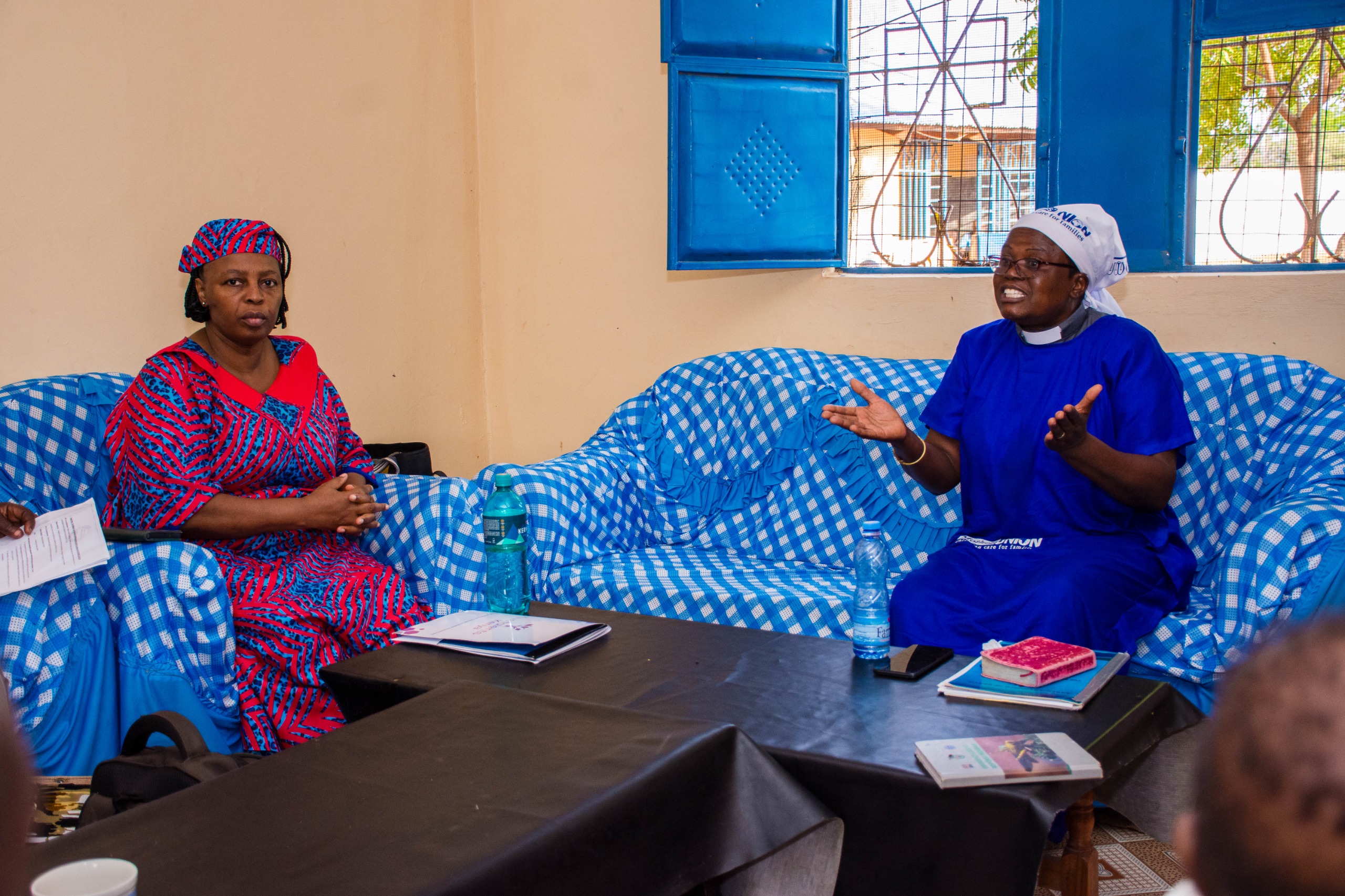
RS: My name is Rev. Rose Sunguti. I serve as the Mothers’ Union Coordinator. My work is to coordinate and support the Mothers’ Union across all our parishes. That involves visiting the women, understanding what they’re facing, encouraging fellowship, and helping the Diocese see where support is most needed. It’s a wide region, and honestly, the work is a lot.
FW: What is the progress on the Mothers’ Union’s work?
RS: It’s uneven, in my observation. In some parishes, the biggest win is just that women have started coming together at all. In others, we already have women trained and licensed to serve. What ties it together is fellowship — getting women into consistent contact with each other and with the Word, whether that’s in a church building or in someone’s home.
Mandera
FW: What’s the situation in Mandera?
RS: Mandera is a difficult ground. Many women can’t freely access places of fellowship. Others are afraid to attend church openly. So, they hide their faith — some even cover themselves with veils not to draw attention. Sunday is also a normal working day in Mandera, since the area is predominantly Muslim, forcing some women to be at work when others are in church.
FW: What does membership look like there right now?
RS: We have exactly one full member in Mandera parish — one woman who can take Holy Communion. Seven more are currently being groomed and trained toward that. We have two centres — the military church and ACK Mandera itself.
FW: What does the ministry need most in Mandera?
RS: Home fellowships of small women’s groups, vikundi za wamama, so women can gather away from the church. Such will call for well-grounded group leaders. These leaders need constant training in workshops and support.
Dadaab
FW: How is work in Dadaab?
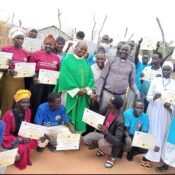
RS: Dadaab is different. We have women from South Sudan, Congo, Ethiopia and elsewhere, gathered in one place. Women’s groups are identified by their nationalities and languages.
FW: How can the Churches outside participate in the camps?
RS: We pray that many will have proper sanctuaries to worship in. Many still worship on open ground, sitting on sand.
FW: What did the visit reveal?
RS: The camps hold over 490,000 people. Since the UN pulled back on assistance, food has been rationed — some families go on one meal a day. Girls lack sanitary towels, teenage pregnancy is rising, and persons with disabilities get very little support. There’s a lot of trauma — among single mothers, among women who left loved ones behind because of war. We even heard of mothers so overwhelmed they’ve resorted to suicide. It’s not a situation you can address with material aid alone.
FW: What is needed to serve the women there?
RS: Women there have asked us for empowerment programs — business training, salon work — especially for young mothers and girls. The youth have asked for kitchen gardening and poultry projects, mainly to pull young people away from drug abuse and idleness.
Home Fellowship, Resources and the Road Ahead
FW: You keep coming back to home fellowship. Why is it so central?
RS: Because church buildings alone won’t reach everyone. Some women can’t attend on Sundays because of work. Some are afraid. Some are simply too far. Home fellowship lets a woman meet another woman, open the Bible, pray, and be encouraged — even if she can never walk into a church. But for that to work, we need Bibles and Bible study guides across the Diocese. Right now, we don’t have enough.
FW: If you had to name the single biggest challenge facing the Union right now, what would it be?
RS: It isn’t one thing — it’s several, all at once. We need more trained ministers properly equipped and continually supported. We need structures where none exist yet, like in Ukasi. We need Bibles and study materials. And we need economic empowerment — projects like poultry farming, kitchen gardens, tree nurseries, salons — so the many single women across the Diocese can become self-reliant, not just prayed for.
FW: Where would you like to see the Mothers’ Union going from here?
RS: I’d like to see it grow into something more structured — transitioning from Mothers’ Union into a broader Anglican Women Ministry, so we can reach more women more effectively. Alongside that, we need to strengthen marriages and families. We saw firsthand how unforgiveness, miscommunication and disunity can weaken a church. And in places like Mandera, that work has to include peacebuilding and coexistence, since our women are living as a minority within an interfaith community.
FW: After everything you’ve seen across these parishes, what stays with you most?
RS: That there is faith, even in the hardest places. In Mandera, women hold onto it quietly, as a minority. In Dadaab, women carry the weight of displacement and still raise their children with dignity. In Ukasi and Bangale, the church is still literally being built. In Madogo, Wajir and Modogashe, women are gathering and training right now. We want every one of them to know they are not forgotten.
Recent Posts
An Interview with Rev. Rose Sunguti
The Climb!