At the Margins of the Table.
The role of women in the life and ministry of the Church has emerged as one of the most significant conversations within the Anglican Diocese of Garissa. Under my leadership, the diocese embarked on a period of reflection and discernment aimed at addressing longstanding challenges that have limited the full participation of women in worship and sacramental life.
At the Fourth Diocesan Synod held in November 2025, I laid out the experiences of women at the center of the Church’s mission and witness. I invited delegates to prayerfully consider how certain practices and attitudes were hindering the Church’s call to embody God’s grace, justice, and compassion.
A Call for Reflection
My concern stemmed from a growing recognition that many women who faithfully serve the Church continued to face exclusion because of their marital status, family circumstances, or cultural realities.
This story captured the complexity of the issue. A dedicated Sunday School leader in Wajir Parish had spent years preparing children for confirmation and admission to the Lord’s Table. Despite her active ministry and commitment to nurturing the faith of others, she was denied Holy Communion because she was a single mother with irregular marriage. The incident raised difficult questions about repentance, forgiveness, and the place of committed believers within the sacramental life of the Church.
I challenged the synod members, as the Church, to honestly examine whethr past moral failures should permanently prevent faithful Christians from sharing in the grace offered at the Lord’s Table.
The Cost of Exclusion
The experiences of women whose marriages were recognized through civil or customary arrangements rather than church weddings was another challenge. In several parishes, including Garissa, Madogo, and Wajir, some women have found themselves barred from receiving Holy Communion or serving in church leadership despite being legally and culturally married.
For many, the exclusion created a painful contradiction. They remain active worshippers, contributors, and servants within the Church community, yet are denied opportunities for fuller participation because of circumstances surrounding their marriage.
Similar concerns arise for women in polygamous families. While many are devoted Christians and active communicants, they often face barriers to accessing the sacraments. I described this as a pastoral challenge that requires thoughtful theological engagement rather than simple judgment.
Seeking a CompassionatebResponse
The synod also examined the struggles faced by divorced and remarried women. Some have experienced abandonment or the breakdown of marriage through circumstances beyond their control. Having rebuilt their lives and remained committed to the Church, they continue to grapple with questions about acceptance and participation in the community of faith.
Rather than offering immediate solutions, I urged the diocese to engage in a process of collective discernment. I called for theological discusses, listening sessions, open discussions, and the development of policies that reflect both biblical faithfulness and pastoral sensitivity.
Towards a More Inclusive Witness
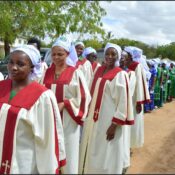
At the heart of the conversation was a broader question about the Church’s witness in a changing society. Women are among the most active participants in congregational life, serving as teachers, leaders, caregivers, and evangelists. Yet many of them continue to encounter barriers that prevent them from fully sharing in the life of the Church.
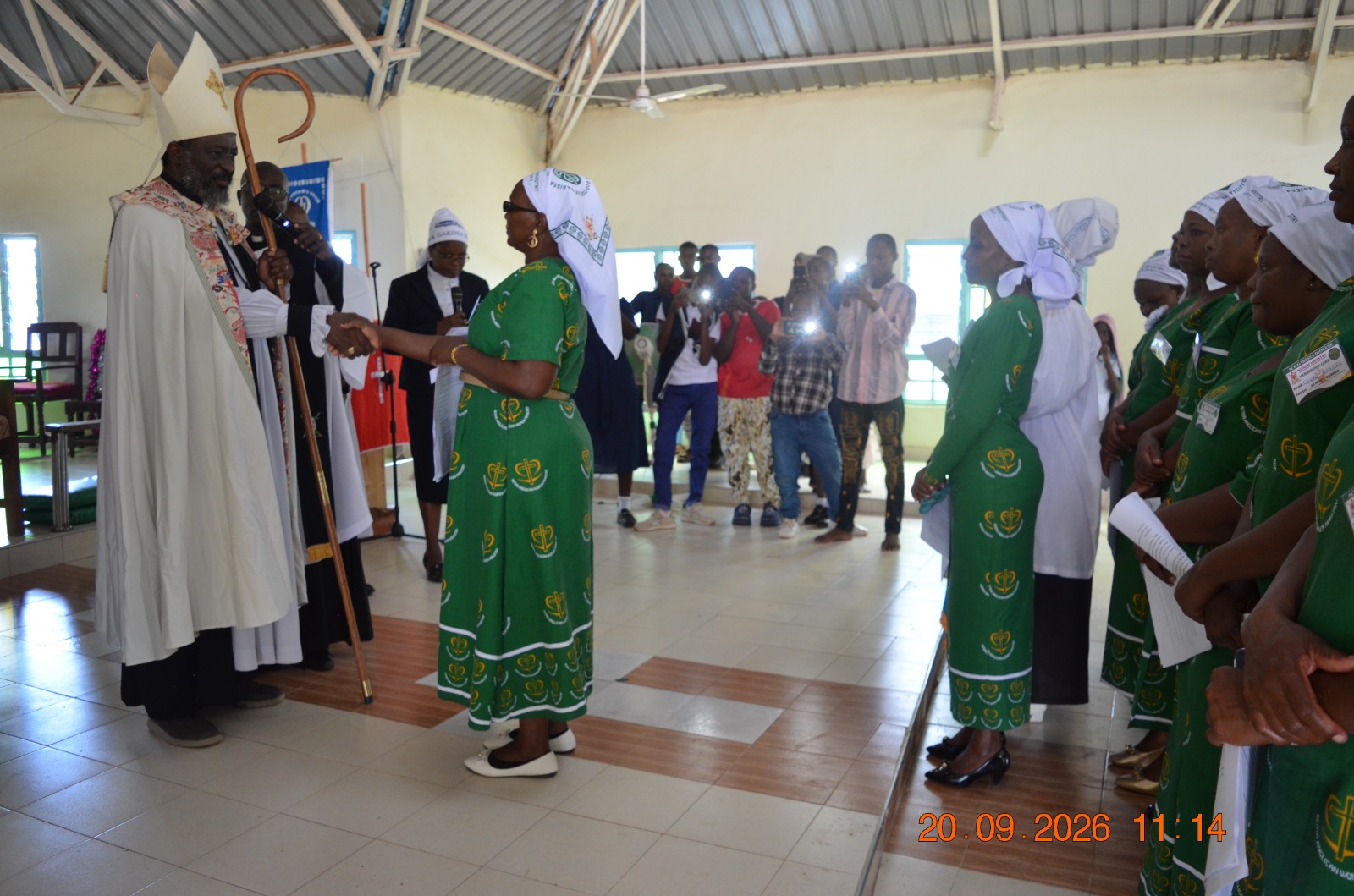
By inviting the synod to reflect deeply on these realities, I am pleased that the Diocese of Garissa, including the Mother’s Union, has begun this important journey. The challenge now is to seek a path that remains rooted in Christian doctrine while responding compassionately to the lived experiences of women.
As the discernment process unfolds, the diocese is developing a more inclusive and effective Christian witness. One that recognizes the gifts, commitment, and dignity of all believers and strengthens the Church’s mission across Garissa and beyond.
Rt. Rev Dr. Omondi, ACK Garissa Diocese.
Recent Posts
At the Margins of the Table.
An Interview with Rev. Rose Sunguti