One of the greatest challenges of faith is learning to see God’s presence in those who are different from us. The story of Jacob and Esau reminds us that God’s love is wider than our boundaries. After years of conflict, Jacob said to his brother, “To see your face is like seeing the face of God” (Genesis 33:10). In that moment, he discovered that God was not only with him but also with the other.
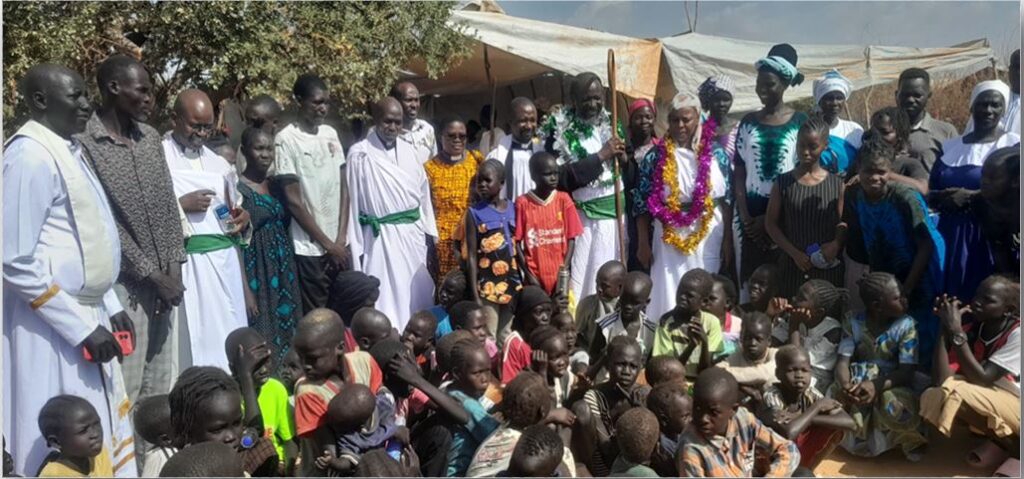
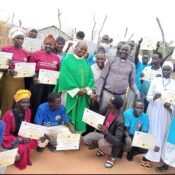
This truth shapes the mission of the Diocese of Garissa. Through interfaith dialogue, we bear witness to Christ among Muslims and followers of traditional religions. It is not abandoning our faith; it is living it authentically through respect and peacebuilding. As Rabbi Jonathan Sacks in From Optimism to Hope reminds us, anyone believing that God is with us must acknowledge that God is also with the other.
The courage of Lassana Bathily illustrates this truth. During the 2015 terrorist attack on a kosher supermarket in Paris, the Muslim employee hid Jewish customers and saved their lives. When praised, he simply replied: “We are all brothers.” Such actions reveal the power of faith to recognise the dignity of every human person.
Interfaith dialogue enables us to express our shared belonging to the human family while remaining rooted in Christ. As Timothy Radcliffe, in ‘What’s the Point of being a Christian (2005), observes, we open ourselves to God’s Word by being attentive not only to the Gospel but also to strangers. In Garissa, this attentiveness has become a way of witnessing to Christ, the Prince of Peace, and building bridges where others see divisions.
Prayer: Lord Jesus, help us to see Your face in others and to witness to Your love through dialogue, peace, and friendship. Amen.
Bishop Francis Omondi.
.